Flat, tile and shingle roofs in Los Angeles County
Your building's roof, repaired or replaced, with a file you can hand to the board.
We work on apartment buildings, HOA condos and houses. Every job ends with a plan of your roof, photos pinned to it, what we did and what it cost.
The building visit is free. Your file starts that day, with photos of your roof.
The Building File
What you get at the end of every job: one file for the building, written for the person who wasn't there.
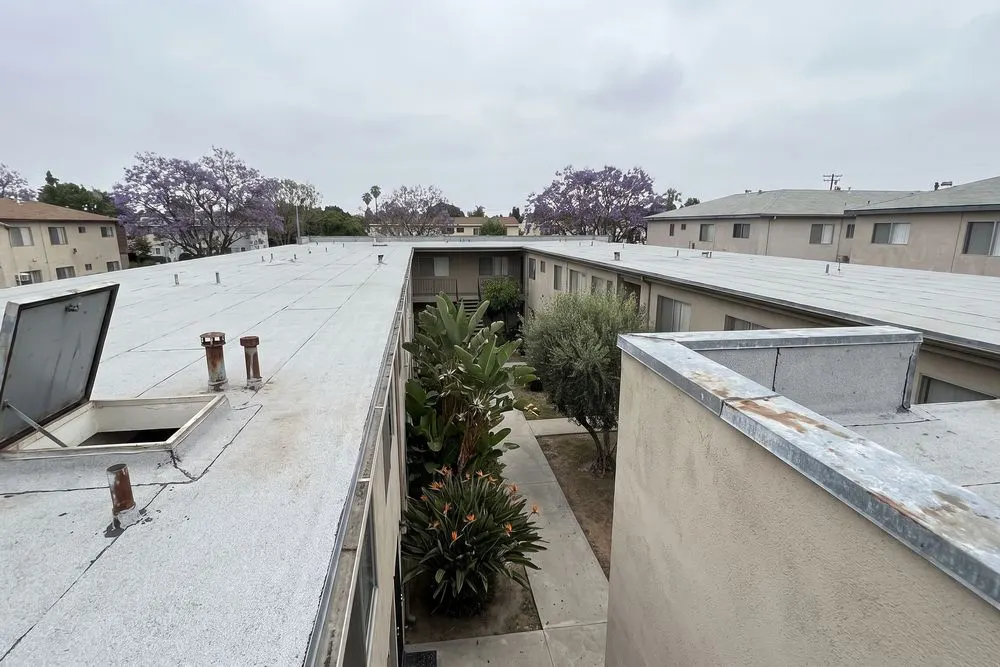
A plan of the roof with numbered pins, and a photo at each pin. What we found there and what we did about it, including anything we left alone and why. Then the cost, and what to budget for next. You can send it to a board or an adjuster without rewriting a line.
Courtyard building, 12 units, built 1958
Flat roof in two sections, clay tile over the courtyard entry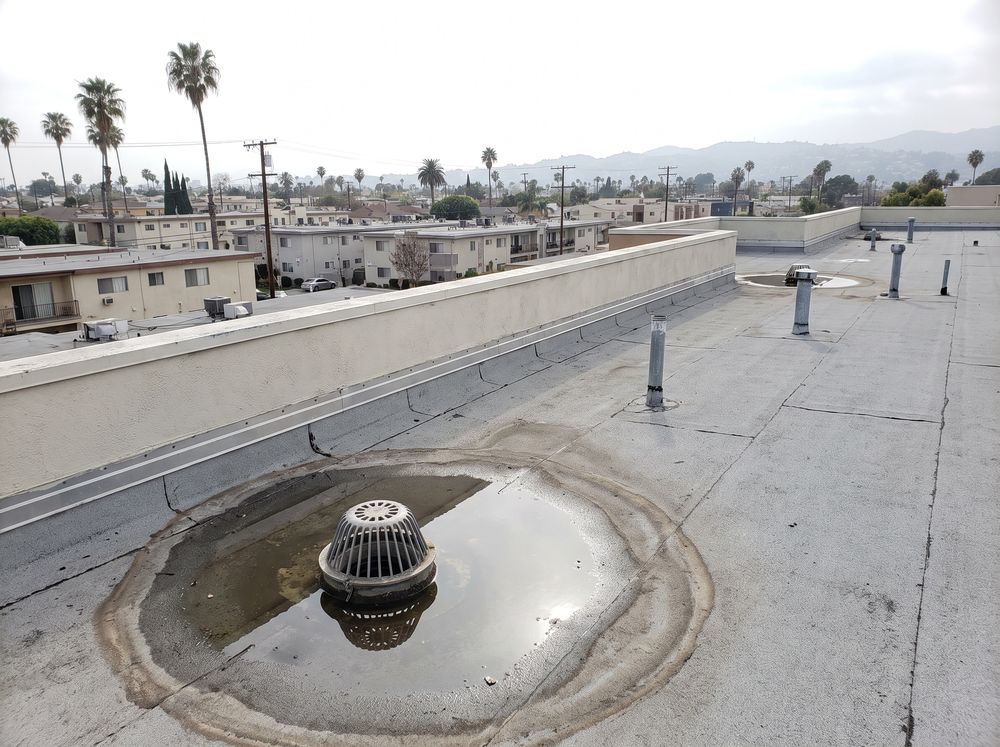
1Drain, east parapet. Standing water two feet out; strainer packed. 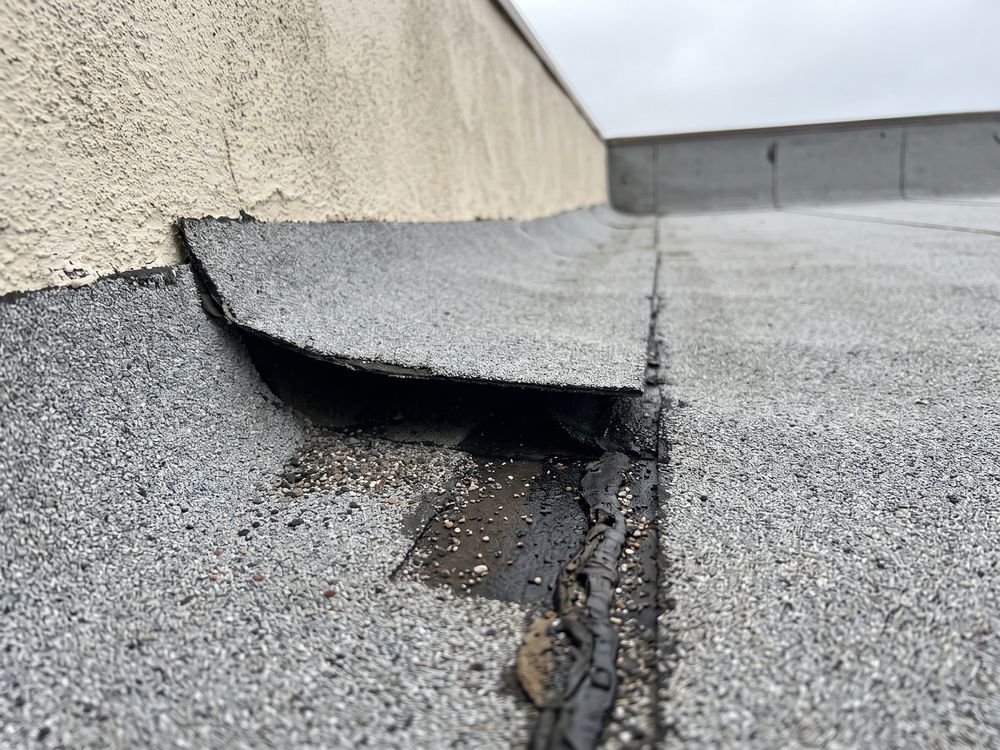
2Rear parapet seam. Open about six feet; felt wet under it. 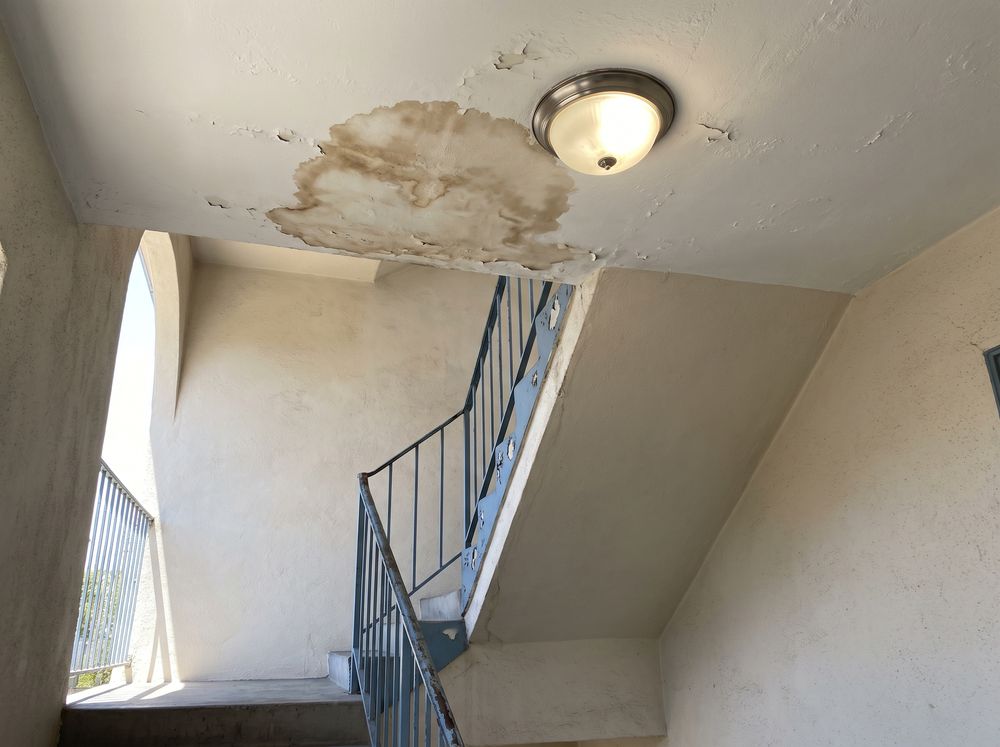
3Stairwell ceiling, under pin 2. Dry after the repair. 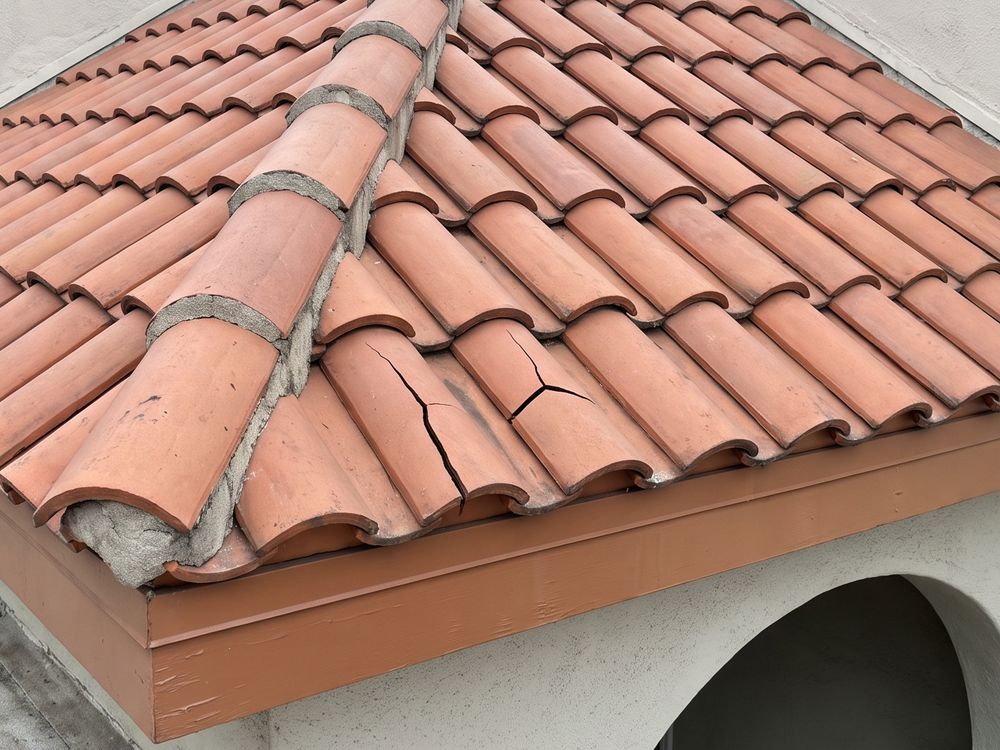
4Entry hip. Two tiles cracked; felt slipped under eight.


| Pin | Found | Done | Not done, and why | Next |
|---|---|---|---|---|
| 1 | Ponding at the east drain. Strainer packed with leaves. | Both drains cleared, flange resealed. | No cricket. The section drains once the strainer is clear. | Clear the strainers each October. |
| 23 | Seam open about six feet along the rear parapet, felt wet under it. A stain on the stairwell ceiling below. | Wet felt cut out, new base and cap sheet patched in, seam sealed. Ceiling checked after the repair: dry. | No recoat of the whole section. The rest of it is sound. Ceiling paint left for the building's painter. | Budget a new cap sheet on the rear block in 2 to 4 years. |
| 4 | Two cracked tiles on the entry hip. Felt slipped under eight. | Eight tiles lifted, new felt, same tiles reset. Two replaced. | Nothing more on that slope. | Nothing until the next visit. |
Cost: on the invoice, one line per pin, in the same order as this page. Enclosed: the workmanship warranty and the manufacturer's warranty.
Copies to
- The board
- A remaining-life judgment for each section, with a figure for the reserve.
- The buyer's lender
- The roof certification, with the photos behind it.
- The insurer
- The invoice broken out per pin, and the completion report.
- The tenants
- The notice with the work dates and where to park that week.
How the file fills up
Five pages, each added when the job gets there.
The file opens at the free visit, and each page is sent to you on the day it is added.
- 1Visit notes
The day of the visit
The visit is free and takes about 45 minutes a roof. Every parapet and drain gets looked at, then the top-floor ceilings under them where we can get in.
- 2Photos on the plan
Before the day is out
A plan of your roof, drawn from the visit, with a numbered pin for each thing we saw and the photo that goes with it.
- 3The scope
Within 48 hours
Each section of the roof carries its own price, so a board can approve one section and hold the rest. Rot found once a roof is open goes in as a new pin with a photo, and its own invoice line once you approve it.
- 4Tenant notice
Before the crew is booked
One sheet for the lobby: the work dates and hours, and where the trucks will park. Cars come out from under the work and the courtyard goes under drop cloths. The yard is swept for nails each evening.
- 5Final page
The last day of the job
You or your manager sign off the finished roof after a look at every pin. The invoice follows in pin order, with both warranty papers behind it.
The warranty page
Ten years on our workmanship, kept in the building's file.
Our workmanship is covered for 10 years, counted from the day the final page is signed. Where a fault is in our work, we repair it and the building pays nothing. The roofing material has the manufacturer's own warranty, on a second paper in the same file.
Both papers stay with the building. When it sells or a new manager takes over, they go along with the file. The file is yours whether or not you hire us again.
Pins from the first jobA new call, years later
The plan comes back out.
Call about the roof in any later year and we start from the keyed plan. The old pins are already numbered, so a new problem becomes the next pin and nobody has to walk us to the stairwell.
Who we work for
Landlords, HOA boards, property managers and sellers. Homeowners too.
Every job gets the same free visit and the same written scope. What changes is who the file is written for.

One roof over several households.
A duplex, a four-plex or a 1950s courtyard building with twelve units. The tenants get a notice with the dates, and the report and photos come to you.
Start a file for a rentalForty owners under one roof, and a treasurer who has to defend the number.
A condition report the treasurer can put in front of the board. Each section is judged on its own, and the building gets one contact.
Start a file for an associationSeveral buildings and a spreadsheet.
Each building gets its own file. You have the schedule in writing before the crew is booked, and the invoice carries one line per pin.
Start a file for a portfolioFourteen days to close and the inspector flagged the roof.
We inspect the roof and make the repairs it needs. Then we issue the certification the lender asked for. Tell us the closing date.
Start a file for a saleHomeowners
You live under it. You get the same file.
The same free visit and the same written scope. Keep the file with the deed and the warranty papers.
Roofs we work on
Every kind of roof in the county, flat ones first.
Flat and low-slope roofs
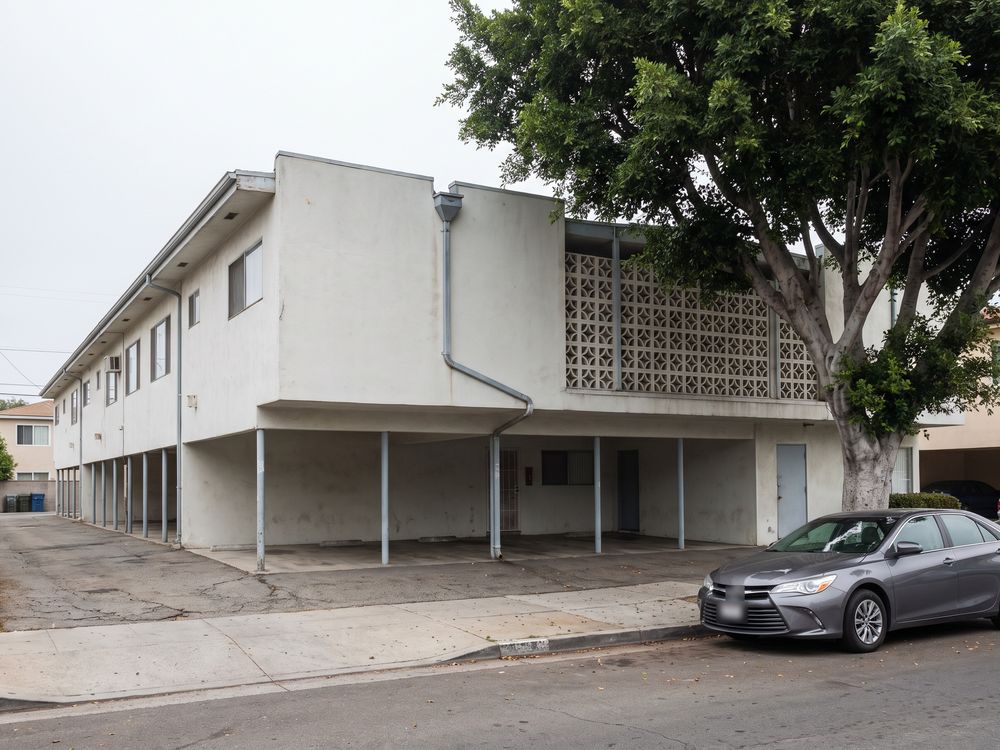
Re-cap, torch-down, coatingMost apartment roofs in the county are flat or nearly flat. We find the ponding and the open seams before they reach the unit below, then re-cap or coat the section that needs it.
Flat roofs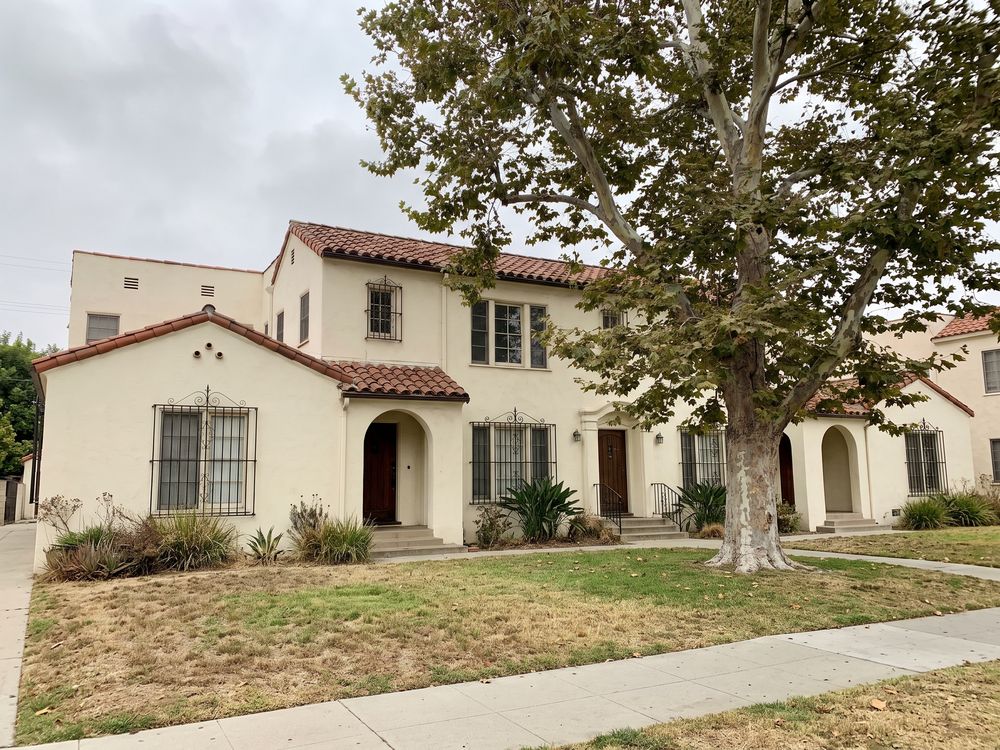
Tile roofs
Clay and concrete, relaidClay and concrete tile on 1920s four-plexes and Spanish-style houses. The clay often outlasts the felt beneath it, so we take the tiles up, renew the felt and reset the originals.
Tile roofs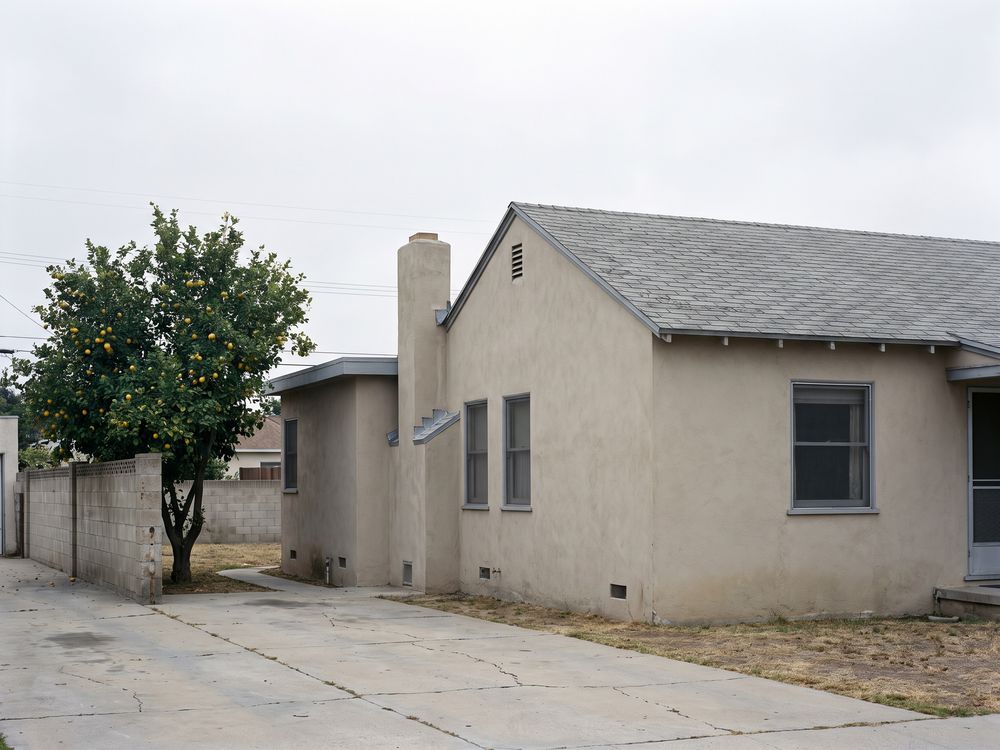
Shingle roofs
Composition shingleComposition shingle on postwar duplexes and ranch houses. The flat addition over the back is priced as its own section.
Shingle roofs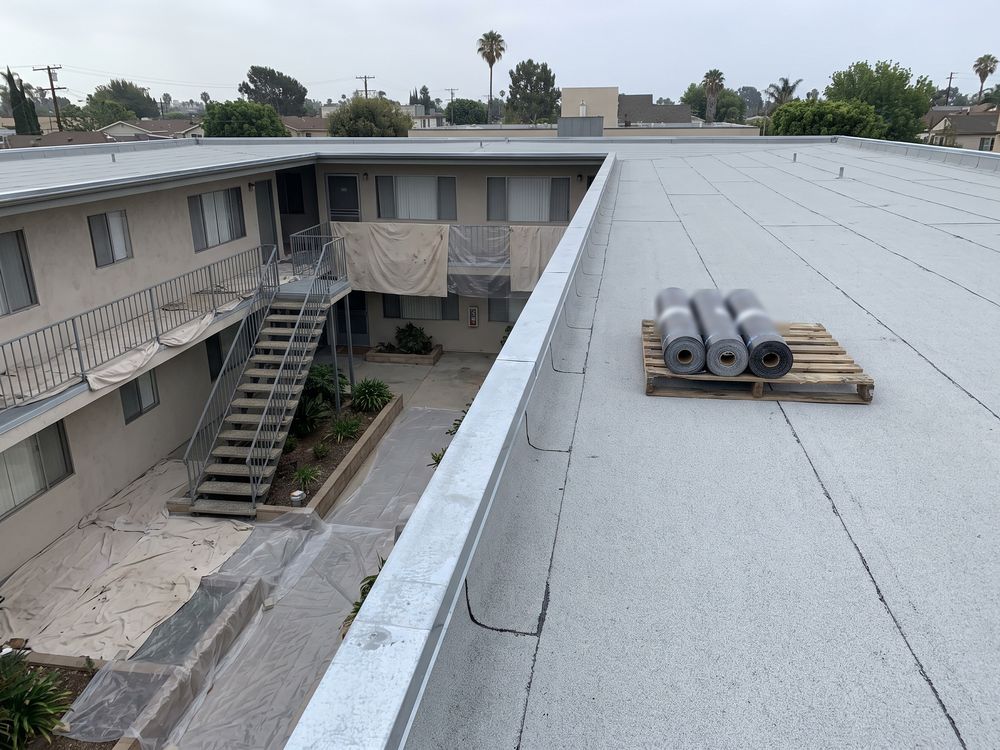
Roof replacement
Re-roofs, building by buildingRe-roofs on walk-ups, courtyard buildings and houses. Walkways and planting go under cover before anything comes off, and the dates are set around the people who live there.
Roof replacement
Inspections and certifications
Reports and certificationsA written condition report for a board or a manager. For a sale, a certification once the repairs the roof needs are done.
Inspections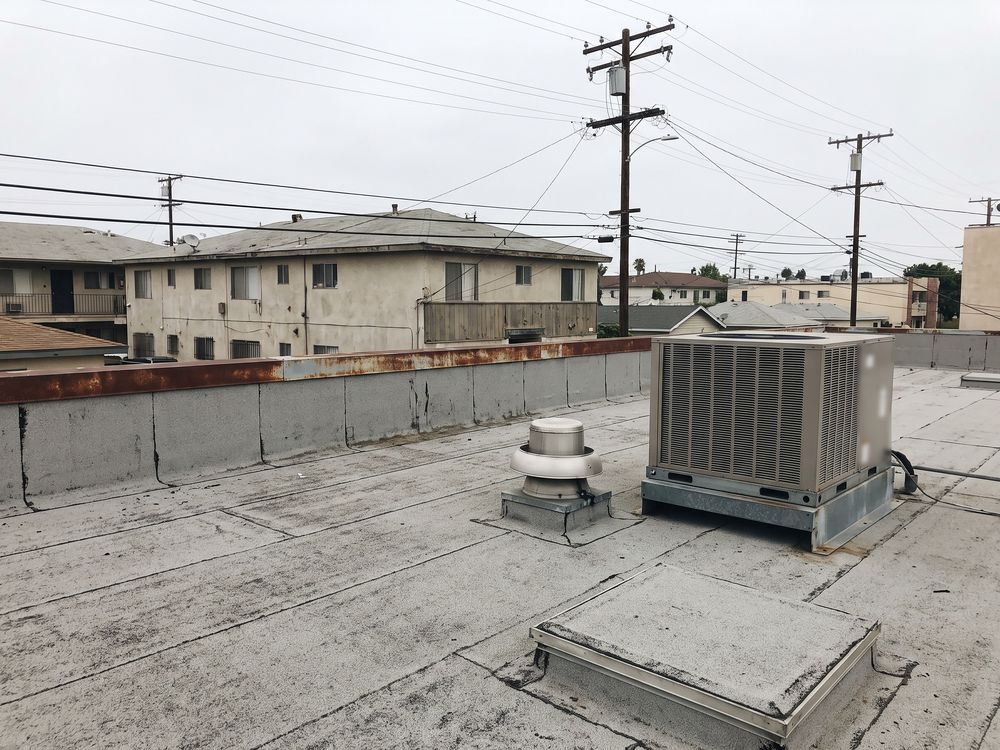
Small commercial
Shops and workshopsA strip of shops or a workshop. Coatings or new cap sheet, booked so the shops below can stay open.


Repairs and leaks
Tenant reporting a leak? We come the same day.
Give us the address and the unit. We stop the water that day and tell you, or the tenant, once it has. The leak goes into the building's file as a new pin, and the repair is scoped on its next page.
What tenants tend to report first
- A brown ring on a top-floor ceiling after a storm
- Water on a stairwell landing or an outside walkway
- Paint bubbling above a top-floor window
- A broken piece of tile on the path under the entry
Questions
Questions from owners, boards and managers
- What is in the Building File?
- The same pages as the sample above: the keyed plan with a photo for each pin, then the table of what we found and did. The invoice lines match the pins, and both warranty papers are enclosed.
- Do you roof single homes too?
- Yes. A house gets the same free visit and written scope as a twelve-unit building, and the same file at the end.
- Can the board approve part of the scope now and the rest later?
- Yes. Each section of the roof is priced separately, so the urgent one can go ahead this year and the rest can wait for the next budget. The sections you hold stay on the plan, with a date to look at them again.
- Can tenants stay during a re-roof?
- Yes. A re-roof is noisy and the crew needs the parking and the stairwell for a few days, but nobody moves out. The notice goes up before we start, and no section is left open overnight.
- Do my tenants need to move their cars?
- On the days we work over the parking, yes. The notice tells them which days. Cars under a tuck-under roof come out before the crew starts and go back in once that day's work is closed up.
- Who talks to the tenants?
- You decide. We can write one notice for you to post and give the manager our number for the days we are on site. We don't knock on doors unless you ask.
- What is a roof certification, and who asks for it?
- A written statement, after we have inspected the roof and done any repairs it needs, that the roof is watertight on the date of the inspection and for a stated period after. Lenders and agents ask for it in escrow. Tell us the closing date and we work to it.
- Who pulls the permit?
- We do, whenever the work needs one, and a re-roof usually does. The permit number goes in your file. The fee goes from you straight to the city, or to the county where the county issues it, and it is kept out of our price.
Los Angeles County, by building
These building types are all over the county. Where each one is most common:
- Courtyard blocks, dingbats and walk-ups
- North Hollywood, West Hollywood, Koreatown, Palms, Van Nuys, Long Beach, Santa Monica
- 1920s four-plexes and Spanish tile
- Pasadena, Mid-City, Silver Lake, Echo Park, Highland Park, Glendale
- Postwar duplexes and ranch tracts
- Burbank, Torrance, Sherman Oaks, Encino, Panorama City, Lakewood, Inglewood
- Hillside and foothill houses
- Altadena, La Cañada Flintridge, Studio City, Woodland Hills
And the rest of the county. If an address is outside it, we say so on the phone.
Start here
Need the roof explained to someone else? We'll write it down.
Four questions about the building, then your ZIP and phone.
- 1Which building is it?
- 2How many units?
- 3Who needs the paperwork?
- 4By when?
The building visit is free. Or call (310) 857-2520.